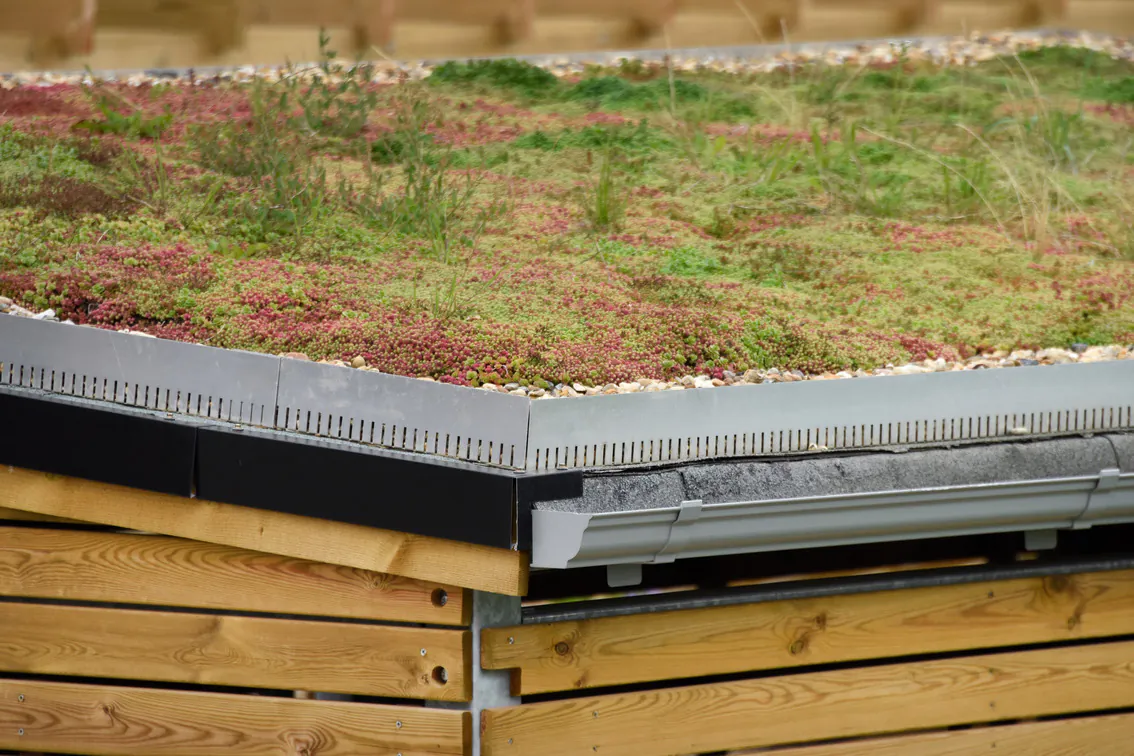



Sedum Roofs Explained: A Guide to Green Roofs for Shelters and Cycle Storage
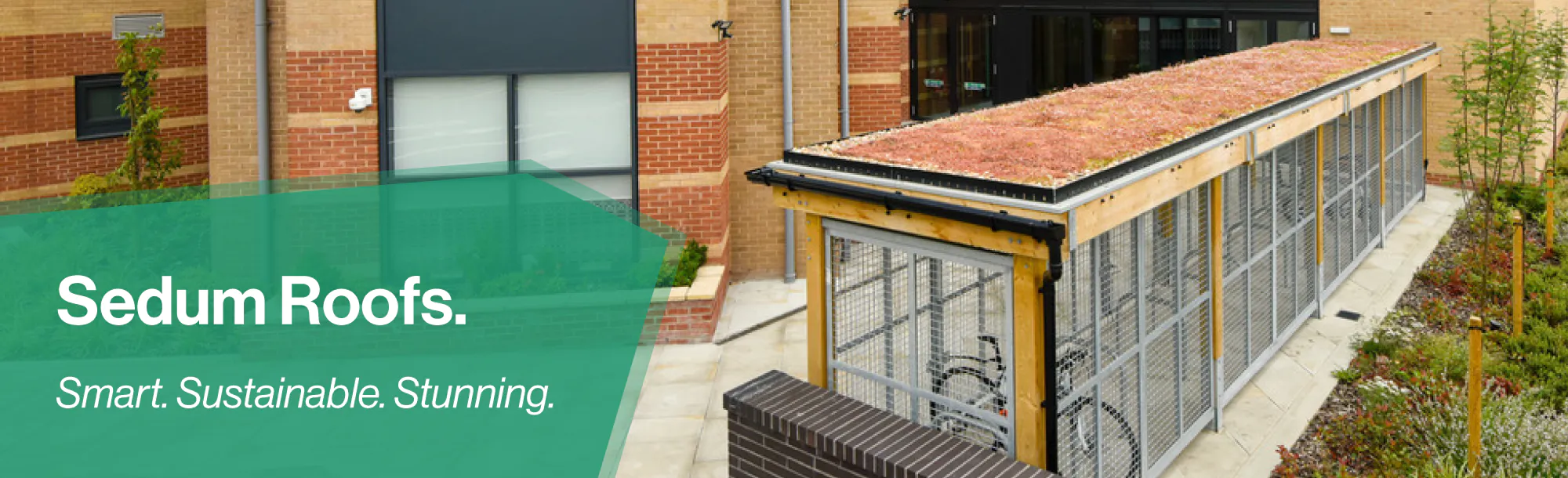
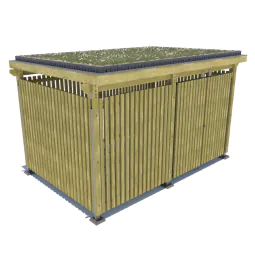
A sedum roof (also called a green roof or living roof) replaces a conventional roof covering with a thin, planted layer. It is one of the simplest ways to add planting, habitat and surface water control to a small structure such as a cycle shelter, compound, locker or canopy.
This guide explains what a sedum roof is made of, how the main build-ups differ, what to consider on weight and structure, and what maintenance to expect. If you are ready to look at products, see our sedum roof shelters.
What is a sedum roof?
A sedum roof is a lightweight, low-maintenance green roof. Hardy, drought-tolerant plants of the sedum genus are grown in a shallow growing medium, laid over a drainage layer and a waterproof membrane. Because sedum is a succulent that stores water in its leaves, it copes with dry spells, wind and exposure without irrigation once established.
This is what makes sedum well suited to shelters and cycle storage. The roof is shallow, the structure beneath it can be kept slim, and the planting looks after itself with only light, routine attention.
Benefits of Sedum Green Roofs
Stormwater Management

The growing medium and drainage trays absorb and slow rainwater, reducing run-off from the roof.
Air Quality Improvement

Sedum plants undergo photosynthesis, removing CO2 and releasing oxygen into the atmosphere.
Biodiversity Enhancement

Sedum and wildflower roofs provide habitat for insects and birds, even on a small footprint.
Reduces Energy Use

By improving insulation, sedum roofs are energy efficient as they reduce the need for heating and cooling.
Aesthetic Appeal

A planted roof turns an overlooked surface into a visible feature, which matters on school, campus and residential schemes.
For projects with sustainability targets, see our BREEAM compliance page.
Types of Green Roofs
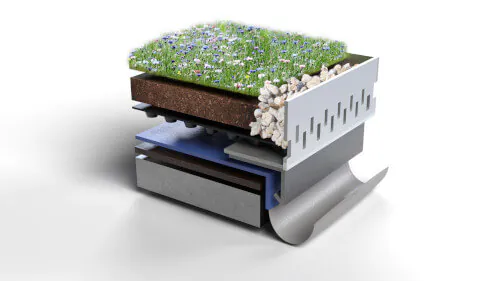
Broxap offers three build-ups. All share the same supporting layers below the planting, and differ in the planting type and the depth of growing medium and drainage tray.
Slimline Sedum Roof
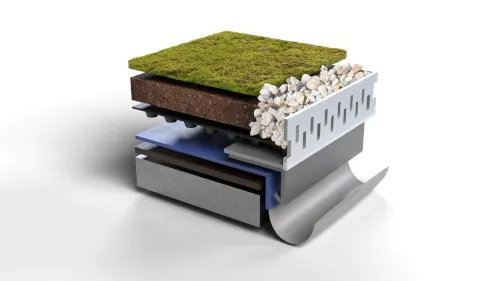
Slimline Sedum Roof
25mm Growing Medium
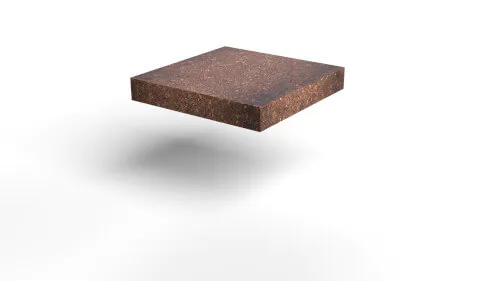
Slimline Sedum Roof
12mm Water Retaining/Drainage Trays
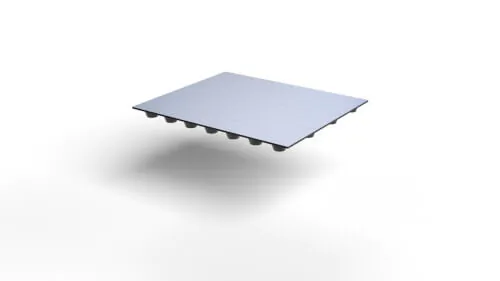
Slimline Sedum Roof
Retention Trim and Gutter Edge
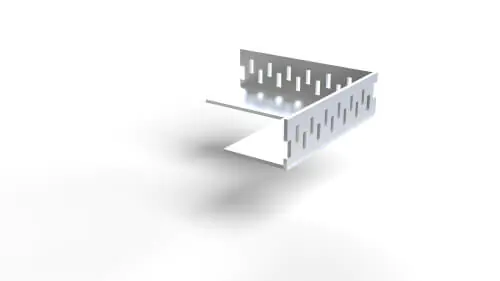
Slimline Sedum Roof
EPDM Waterproofing Membrane
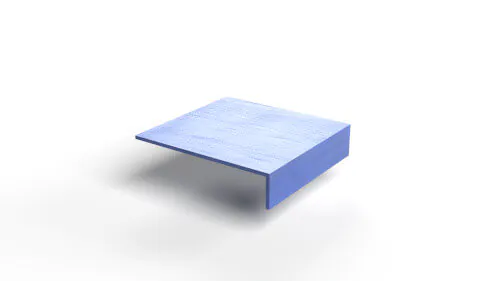
Slimline Sedum Roof
Marine Plyboard Timber Deck
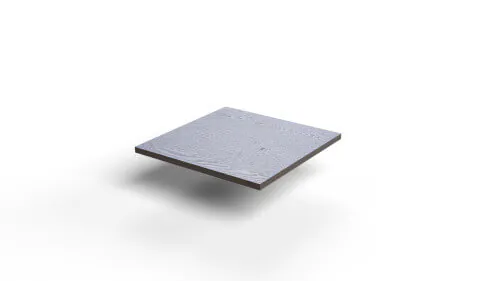
Slimline Sedum Roof
Mild Steel Roof Frame
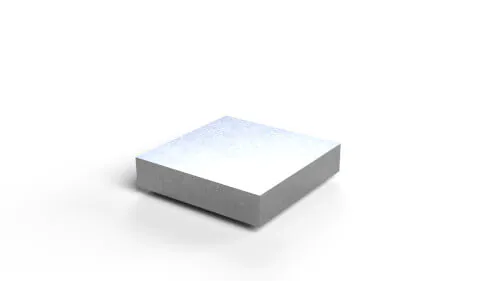
Fully Grown Sedum Roof
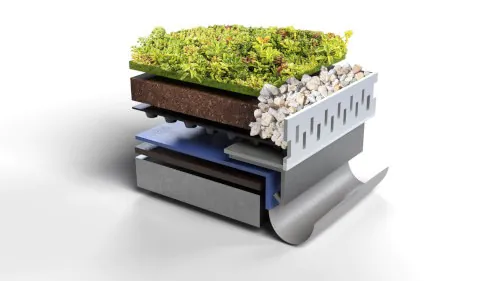
Slimline Sedum Roof
40mm Growing Medium
Slimline Sedum Roof
20mm Water Retaining/Drainage Trays
Slimline Sedum Roof
Retention Trim and Gutter Edge
Slimline Sedum Roof
EPDM Waterproofing Membrane
Slimline Sedum Roof
Marine Plyboard Timber Deck
Slimline Sedum Roof
Mild Steel Roof Frame
Wildflower Sedum Roof
Slimline Sedum Roof
120mm Growing Medium
Slimline Sedum Roof
20mm Water Retaining/Drainage Trays
Slimline Sedum Roof
Retention Trim and Gutter Edge
Slimline Sedum Roof
EPDM Waterproofing Membrane
Slimline Sedum Roof
Marine Plyboard Timber Deck
Slimline Sedum Roof
Mild Steel Roof Frame
How much does a sedum roof weigh?
Weight is the main structural consideration. A sedum roof can weigh anywhere from 40 kg/m² to 250 kg/m², depending on the depth of the growing medium, the density of the planting and how saturated the roof is. A deeper build-up weighs more than a slimline one, and any roof weighs most after prolonged rain.
On a Broxap shelter, compound or locker, the supporting frame is designed for the roof it carries. If you are fitting a green roof to a different roof type or structure, make sure the structure can take the added weight and that the roof is watertight. Our team can advise on your project.
Maintenance: What to expect
Sedum roofs are low maintenance, not no maintenance.
Watering: Once established, sedum needs very little watering. Some watering may be needed during the initial growth phase or prolonged dry periods.
Routine care: This typically means weeding, checking plant health, keeping drainage clear and occasional feeding to encourage growth.
Inspection: An inspection at least once a year helps catch problems early.
See our operations and maintenance guidance for more detail.
How long does a green roof last?
A well-maintained green roof system can last 30 to 50 years or more. Lifespan depends on the quality of materials, how well the roof is maintained and the local climate. Because the planting protects the waterproofing from UV and weather, a green roof can extend the life of the roof beneath it.
Where are sedum roofs used?
Sedum roofs are used across our cycle shelters, compounds, lockers and canopies, particularly at:
Schools and universities
Residential developments
Hospitals and commercial sites
Parks and public spaces
How to choose the right build-up?
Start with the structure.
Weight and build depth narrow the options quickly.
Decide what the roof needs to do.
Visual impact, biodiversity, stormwater control and planning or sustainability requirements may point to different build-ups.
Think about maintenance.
Decide who will inspect and care for the roof and how often.
Talk to us early.
Our team can advise on build-up, structure and fit for your site, and can supply a free consultation and quotation.
Our Recent Green Roof Projects
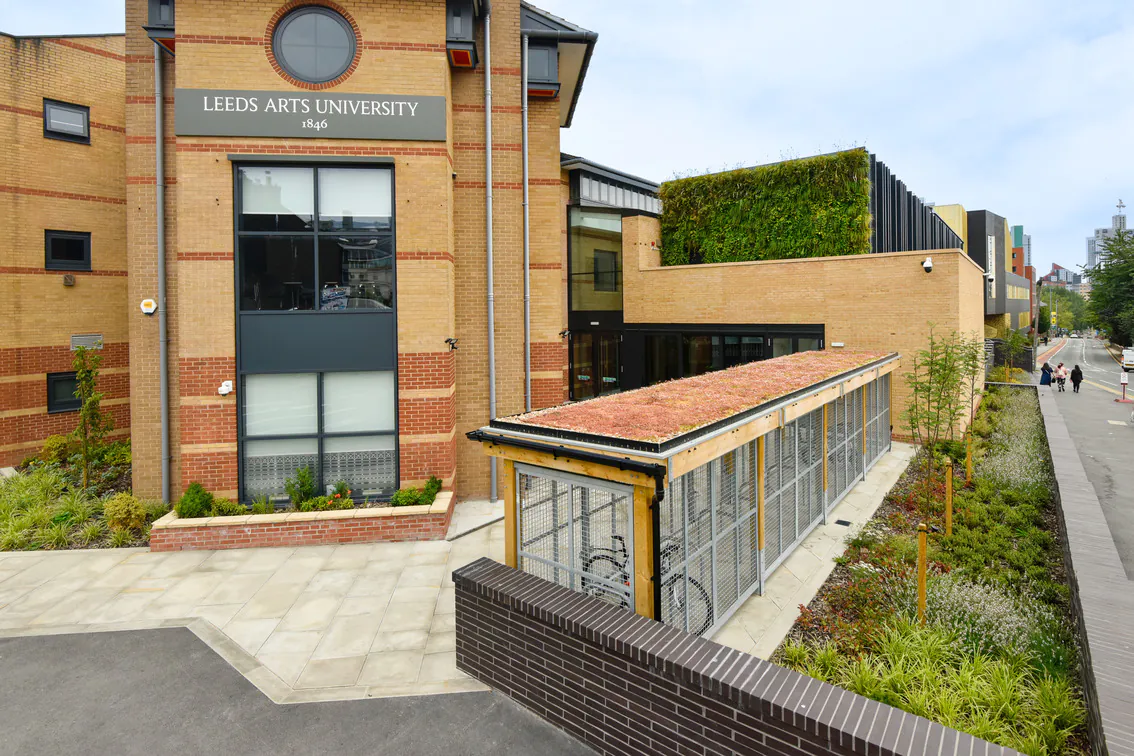
Leeds Arts University, Leeds
The recent expansion of Leeds Arts University has created a vibrant new hub for students, centred around an extension and teaching space.
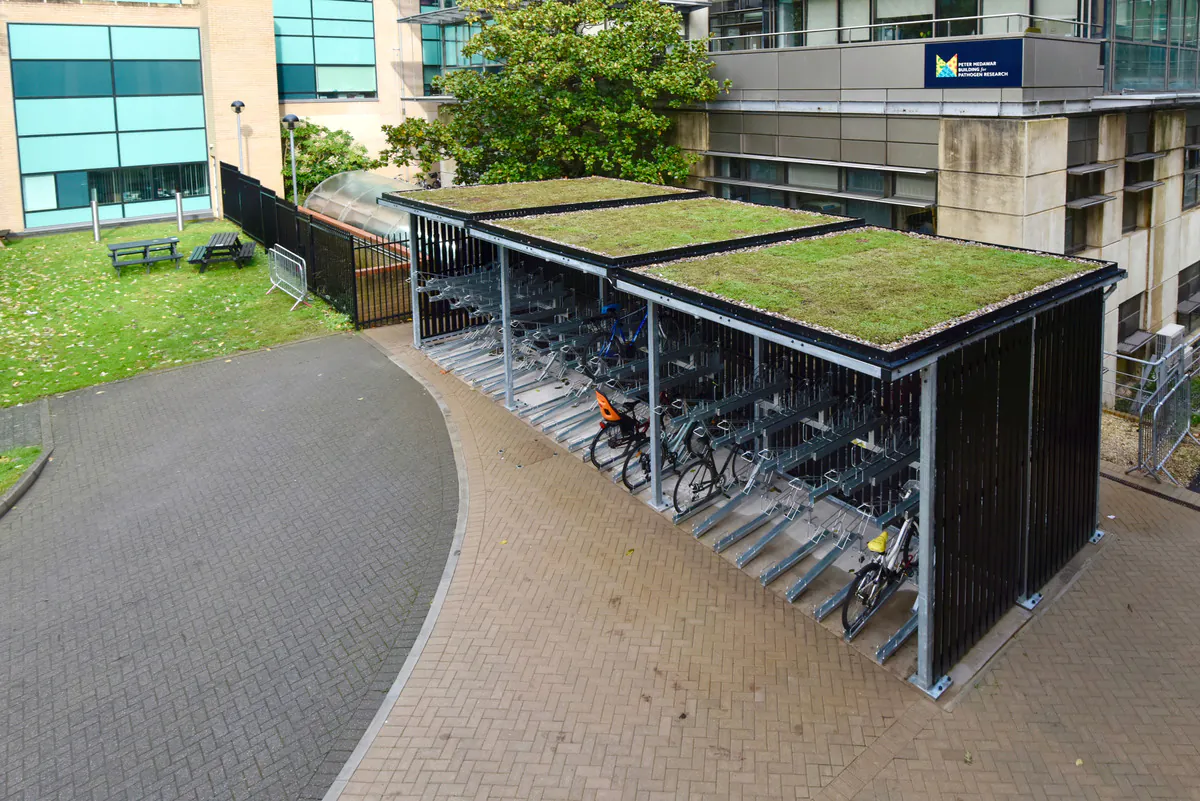
LaMB, University of Oxford
At the new Life and Mind Building (LaMB), Broxap has installed a Blox Cycle Compound complete with a sedum roof.
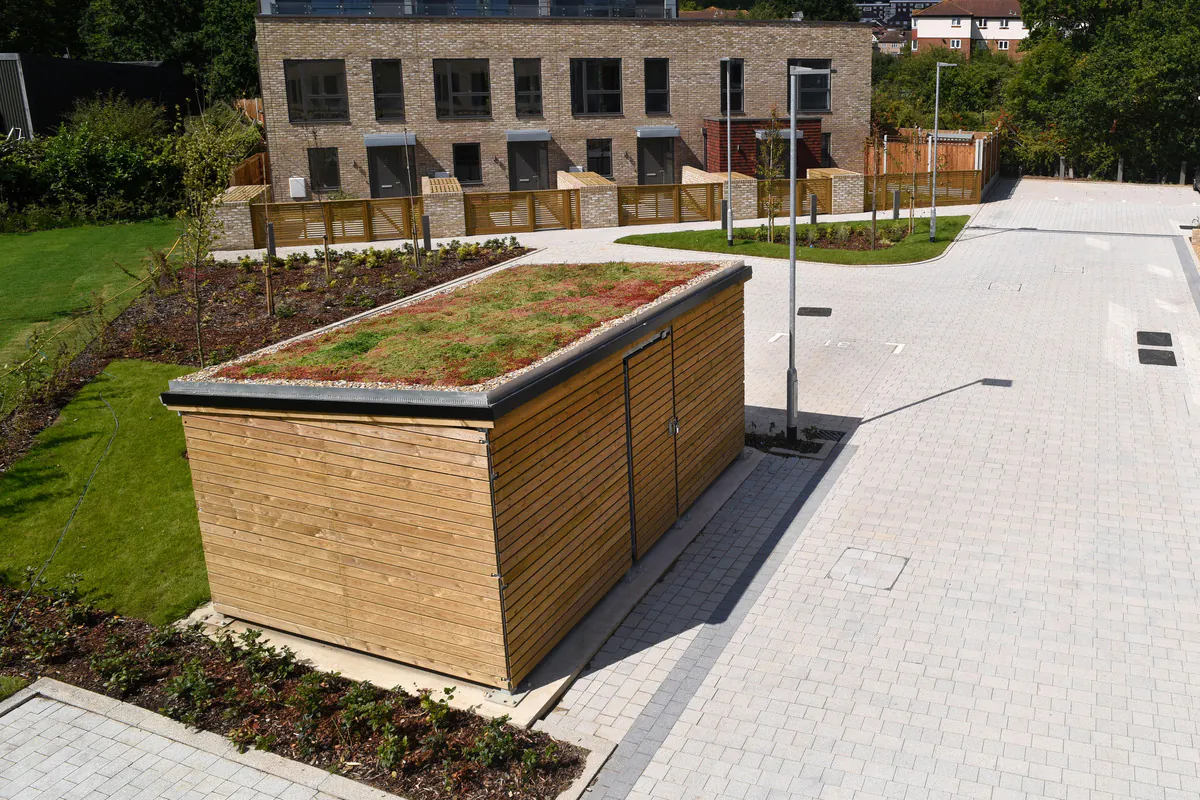
Gladstone Village, Cricklewood South
Broxap were asked to supply a series of cycle shelters that would suit the aesthetic look of the surrounding apartments/homes.
Related Products

FAQs
Contact Us